
Earthquake Plumbing Checklist for Bay Area Homes
Bay Area homeowners prepare for earthquakes with emergency kits, stored water, and furniture anchors. Plumbing often gets less attention until the shaking stops. Yet a moderate quake can loosen water heater connections, crack rigid piping, shift toilets, damage sewer lines, and turn a small leak into a hidden source of mold and structural damage.
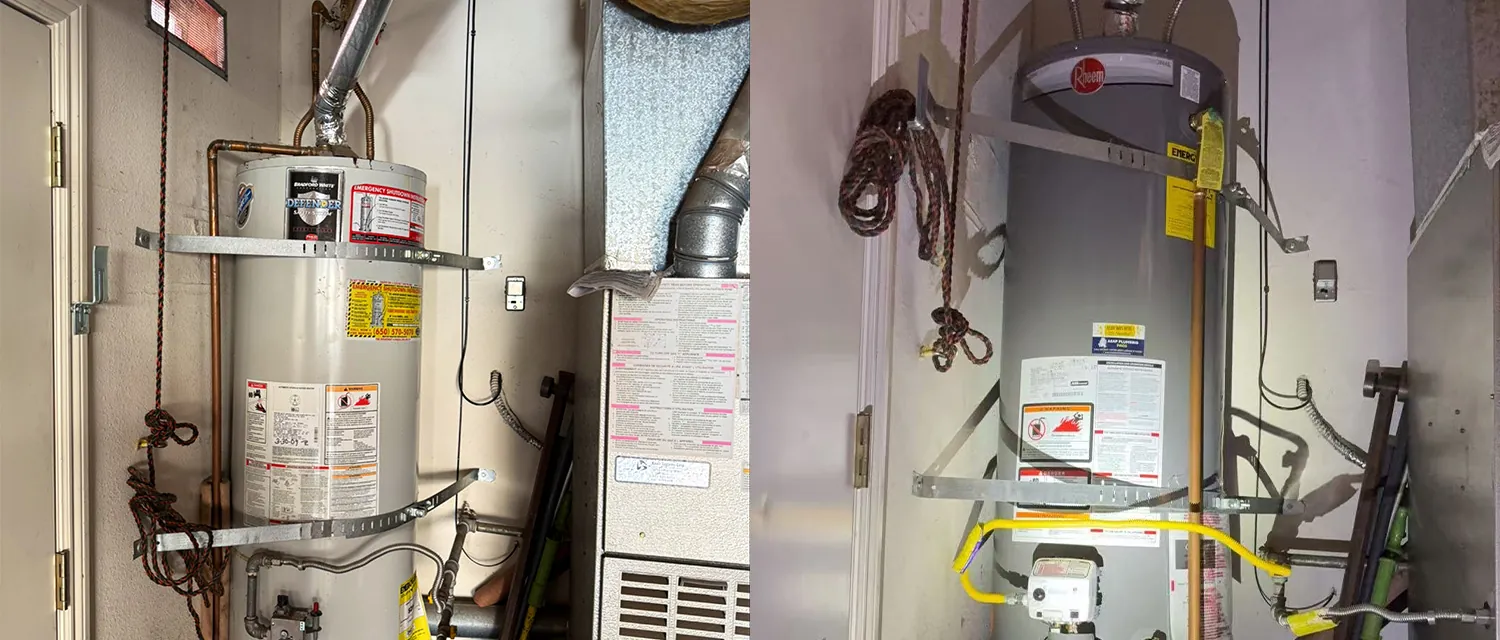
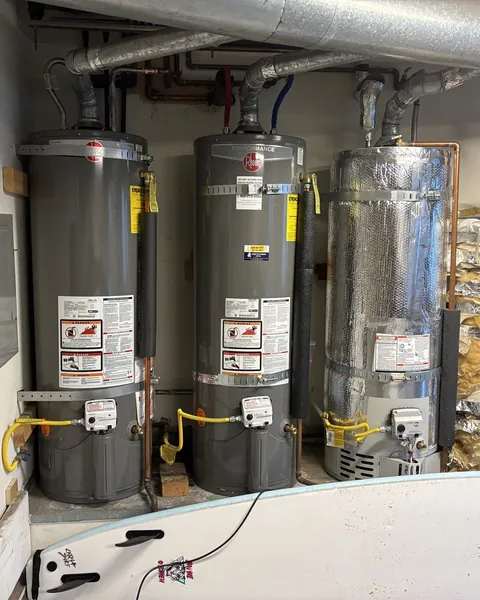
A practical earthquake plumbing checklist has two parts: what to secure before the quake and what to inspect afterward. The most important preparation is making sure the water heater is properly strapped and connected. California’s Seismic Safety Commission notes that new and replacement water heaters are required by law to be anchored or strapped to resist falling during earthquakes, and sellers must certify bracing to buyers. If your tank is loose, corroded, or connected with rigid piping, professional water heater service can address the safety issues before the next tremor.
Why plumbing matters during an earthquake
A full water heater can weigh hundreds of pounds. If it tips, it can pull on gas, water, vent, and electrical connections. A broken gas connector creates a fire risk. A broken water supply line can release pressurized water until the main is shut off. Even if the tank remains upright, shaking can stress rigid joints throughout the home.
Earth movement can also affect buried piping. Sewer laterals may shift at joints. Water service lines can develop small leaks that do not surface immediately. Toilets and fixtures can lose their seals if the floor or flange moves. Post-earthquake plumbing problems are not always dramatic; many begin as subtle changes in pressure, drainage, odor, or moisture.
Before the earthquake: secure the water heater
Start with the largest and most vulnerable appliance.
Check for two straps
A typical residential tank should have one strap in the upper third and another in the lower third. The California Seismic Safety Commission’s water heater FAQ confirms the anchoring requirement, and the Earthquake Country Alliance’s water heater guide explains the basic securing process.
Check whether:
- The tank has two straps, not one
- Straps wrap fully around the tank
- Straps are anchored into studs or masonry, not only drywall
- The tank is close enough to the wall to prevent tipping backward
- The lower strap does not interfere with controls or the burner area
- The straps are tight and free from corrosion
Larger tanks may require additional bracing. If the tank sits away from the wall, a spacer or blocking may be needed.
Replace rigid connectors where appropriate
Rigid gas and water connections have little room to move. Flexible, code-approved connectors allow slight movement without transferring the full force directly to the pipe joint. Connector replacement is not a casual DIY job when gas is involved. Have a licensed professional evaluate the material, condition, shutoff valve, sediment trap, venting, and clearance.
For homeowners in the city, water heater service in San Francisco can include an assessment of the tank, connections, strapping, shutoff valve, and visible venting.
Know where the water shutoff is
Every adult in the household should know where the main water shutoff is located and how to operate it. Test it before an emergency. A valve that has not moved in years may be corroded or stuck.
Do not force a frozen valve. If the handle will not turn with reasonable hand pressure, have it serviced. In an emergency, fighting a stuck valve wastes time while water continues to escape.
Know where the gas shutoff is but do not turn it off unnecessarily
Learn the location of the gas meter and the proper wrench to keep nearby. Only shut off gas if you smell gas, hear hissing, see a damaged gas line, suspect a leak, or are instructed by emergency officials. After the gas is shut off, do not turn it back on yourself. The utility or a qualified professional should restore service and check the system.
Before the earthquake: inspect vulnerable plumbing
A pre-earthquake review should cover more than the water heater.
Toilets
A rocking toilet may have a loose flange or deteriorated wax seal. During shaking, movement can worsen the seal and create a slow leak at the base. If the toilet moves when you sit or gently shift your weight, have it evaluated before water reaches the subfloor.
Supply lines
Check braided stainless supply lines under sinks, behind toilets, and at washing machines. Replace lines that are kinked, corroded, bulging, or older than their expected service life. Plastic lines and worn rubber hoses are more vulnerable to sudden failure.
Shutoff valves
Fixture shutoff valves should turn without excessive force. If a valve leaks around the stem or will not close, replace it before you need it in an emergency.
Sewer cleanouts
Know where the sewer cleanout is located. After a quake, a displaced or damaged lateral may cause backups or odors. Accessible cleanouts make diagnosis faster.
Water pressure
Excessively high water pressure stresses supply lines, valves, and appliance connections. If fixtures bang, hoses fail frequently, or the pressure seems unusually strong, have the pressure checked and the pressure-reducing valve evaluated.
During the shaking: protect people first
During an earthquake, do not run to a plumbing fixture or utility shutoff. Drop, cover, and hold on. Stay away from windows, tall furniture, and areas where water heaters or appliances could fall. Wait until the shaking stops and it is safe to move.
If you smell gas while shaking is underway, leave the area as soon as it is safe. Do not use switches, flames, or devices that could create a spark.
After the earthquake: start with safety
The first post-earthquake checks should focus on fire, gas, and active water damage.
1. Smell and listen for gas
If you smell gas, hear hissing near a line, or see a damaged gas connector, leave the building and contact the utility or emergency services from a safe location. Do not turn electrical switches on or off. Do not relight pilots. Do not assume the issue is minor because the odor fades.
2. Look for active water leaks
Check around the water heater, under sinks, behind toilets, at washing machine connections, and near the main shutoff. Look for spraying, dripping, pooling, or rapidly growing wet spots.
If a supply line is leaking, shut off the fixture valve. If that does not stop the water or the break is on a main line, shut off the home’s main water supply. For active flooding or a line that cannot be isolated, request emergency plumbing service.
3. Inspect the water heater without touching damaged utilities
Look at the tank from a safe distance. Check whether it shifted, leaned, pulled away from the wall, or twisted a connector. Look for water around the base and listen for unusual sounds. If the tank moved or you suspect gas or electrical damage, do not reset, relight, or adjust it until it has been inspected.
4. Check fixtures for new movement
Gently inspect toilets, sinks, and exposed piping. A toilet that newly rocks may have a damaged flange or seal. A sink trap that shifted may leak only when the drain runs. Do not ignore small movements; water damage often starts slowly.
5. Test drains one at a time
Run water briefly and watch how each fixture drains. Gurgling, backup, or sewage odor after a quake can point to a vent issue, drain displacement, or sewer lateral damage. Do not keep running water if a lower-level drain begins to back up.
6. Watch the water meter
After the immediate safety check, perform a meter test:
- Turn off all water-using fixtures and appliances.
- Watch the meter’s leak indicator.
- Take a photo of the reading.
- Wait 30 minutes without using water.
- Check it again.
If the meter moves, a hidden leak may be present. A post-earthquake leak can occur in a wall, under a slab, or between the meter and the house. A professional leak detection service can locate the source without unnecessary demolition.
Hidden post-earthquake problems to monitor for two weeks
Not every plumbing issue appears immediately. For the next several days, monitor for:
- A higher water bill or meter movement
- Damp drywall, baseboards, or flooring
- Musty odors in cabinets and closets
- Reduced water pressure
- Discolored water after line disturbance
- New toilet rocking or base moisture
- Slow drains affecting more than one fixture
- Sewage odor near cleanouts or floor drains
- Water heater rumbling, leaking, or inconsistent performance
- Soil settlement or wet patches along buried pipe routes
Take photos and notes. If the condition changes, documentation helps the plumber understand whether the issue is progressive.
When to call a plumber immediately
Call for urgent professional help if:
- You see active water leaking from a pipe or water heater
- A toilet or drain is backing up after the quake
- The water heater shifted or a connector appears damaged
- The main water shutoff is leaking or will not close
- You suspect a slab or underground leak
- You smell sewage and multiple drains are affected
- A ceiling or wall is swelling with water
- The water meter moves with every fixture off
If there is any gas odor or suspected gas leak, contact the utility or emergency services before calling a plumber. Life safety comes first.
What a post-earthquake plumbing inspection can include
A professional inspection can be tailored to the property. It may include:
- Water heater strap and connector review
- Visual inspection of exposed supply and drain piping
- Fixture shutoff and toilet seal checks
- Water pressure testing
- Meter-based leak testing
- Thermal or acoustic leak detection
- Sewer camera inspection if drainage symptoms suggest lateral damage
- Documentation for repairs and insurance records
Older homes may need a broader review because galvanized supply lines, cast-iron drains, clay laterals, and aging connectors respond differently to movement than modern materials.
Earthquake plumbing FAQ
Are water heater straps required in California?
California requires new and replacement water heaters to be anchored or strapped to resist falling during earthquakes. Home sellers must certify compliance to buyers. Proper installation typically involves two straps positioned in the upper and lower thirds of the tank and anchored to structural material.
Should I turn off my water after every earthquake?
Not necessarily. If there is no leak, damage, or contamination concern, you may not need to shut off the water. Turn it off if you see active leaking, the meter confirms flow with fixtures off, or officials advise shutting down utilities.
Should I turn off the gas after an earthquake?
Only shut off gas if you smell gas, hear hissing, see damage, suspect a leak, or are told to do so by authorities. Once gas is shut off, do not turn it back on yourself.
Can an earthquake cause a sewer backup?
Yes. Ground movement can shift pipe joints, crack older clay or cast-iron sections, or worsen an existing lateral defect. If multiple drains back up or sewage odors appear after shaking, stop using water and have the line evaluated.
What if my water heater looks fine but the straps are old?
Old or loose straps may not perform when needed. Check for corrosion, slack, missing anchors, and rigid connectors. If the tank is aging or the installation does not meet current expectations, have it reviewed before the next earthquake.
Secure the system before the next tremor
Earthquake plumbing preparation is not complicated, but it does require attention before an emergency. Secure the water heater, replace weak connectors, label shutoffs, inspect vulnerable fixtures, and know how to check for leaks after shaking stops.
ASAP Plumbing Pros helps homeowners across San Francisco and San Mateo County with water heater service, leak detection, sewer inspection, and urgent plumbing repairs. Contact a licensed plumber to schedule a safety-focused plumbing review before the next Bay Area earthquake.

Need plumbing service?
Request service online or call our team for installation, repair, and maintenance.
Ready when you are
Plumbing emergency? We're on the way.
Call (415) 728-6391 or request service online — 24/7, every day of the year.