
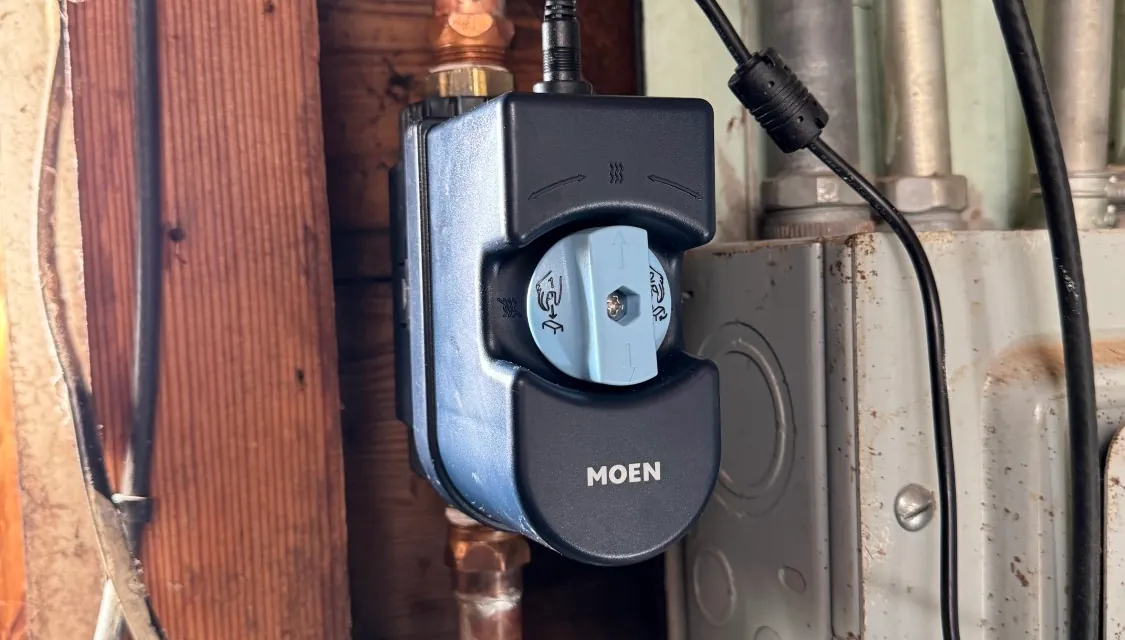
High Water Bill, No Visible Leak? How Bay Area Homeowners Can Find the Source
A water bill can jump before a single drop shows up on the floor. In San Francisco and San Mateo County, hidden leaks often run inside walls, beneath slabs, under landscaping, or through a toilet flapper that never makes a sound. By the time the bill arrives, the leak may already have wasted thousands of gallons.
The good news is that you can narrow down the problem before scheduling repairs. A simple meter test, a toilet dye test, and a quick review of your usage pattern can tell you whether the issue is a fixture, an irrigation line, or a concealed pipe. If the meter confirms continuous flow, professional leak detection can pinpoint the source without tearing open walls or digging blindly.
First, make sure the bill is actually unusual
Before assuming you have a plumbing leak, compare the current bill with the same month from the previous year. Water use often changes seasonally, especially during warm stretches when irrigation systems run longer.
A bill may be legitimately higher if you recently:
- Added occupants or had guests staying in the home
- Filled a pool, spa, fountain, or large water feature
- Changed an irrigation schedule or installed new landscaping
- Used a pressure washer or hose more than usual
- Ran a humidifier, evaporative cooler, or water filtration system
- Received a catch-up bill after estimated meter readings
The more useful comparison is same month versus same month, not one month versus the previous month. If your habits did not change but consumption jumped sharply, keep investigating.
Check whether your water provider has already flagged the leak
San Francisco customers should review their hourly usage through their SFPUC account if available. The SFPUC’s Leak Alert Program reviews electronic meter data and may notify customers when continuous hourly use suggests a leak. Seeing water use during hours when nobody was home is a strong warning sign.
For customers outside San Francisco, check the account portal or contact the local water provider. Even without hourly data, a bill showing a large increase in cubic feet or CCF can confirm that the issue is real consumption rather than a simple billing mistake.
Run the 30-minute water meter test
The meter test is the fastest way to answer one question: is water still moving when everything should be off?
- Turn off all faucets, showers, hose bibs, irrigation zones, dishwashers, washing machines, ice makers, and water-softening equipment.
- Make sure nobody flushes a toilet or uses water during the test.
- Locate the water meter, usually in a concrete box near the curb or sidewalk.
- Lift the lid carefully and find the small leak indicator, triangle, star, or dial.
- Watch the indicator for several minutes.
- For a slower leak, take a photo of the meter reading and wait 30 minutes without using water.
- Check the meter again. If the indicator or reading moved, water is flowing somewhere on your side of the meter.
What the result means
- Indicator moves continuously: There is likely an active leak.
- Indicator moves only when irrigation runs: Suspect the sprinkler system or outdoor line.
- Indicator stops when a toilet shutoff is closed: The toilet is the likely culprit.
- Indicator stops when the house shutoff is closed: The leak may be between the meter and the building or inside the structure.
- Indicator does not move: The problem may be intermittent, irrigation-related, seasonal, or a billing issue.
A meter test confirms flow; it does not locate the leak. That distinction matters because guessing can lead to unnecessary drywall cuts, slab work, or landscape excavation.
Test every toilet before assuming the worst
A running toilet is one of the most common causes of an unexplained bill. The SFPUC’s Fix a Leak guidance says toilet leaks are the most common household leaks, and the dye test is simple:
- Remove the toilet tank lid.
- Add several drops of food coloring or a dye tablet to the tank.
- Wait 15 to 20 minutes without flushing.
- Check the bowl.
- If colored water appears in the bowl, the flapper or flush valve is leaking.
A toilet can leak intermittently. It may refill quietly at night or only after certain flushes, which is why homeowners often miss it. If the dye test is positive, replacing the flapper or flush valve may solve the problem quickly. For a toilet that rocks, refills constantly, clogs repeatedly, or leaks at the base, schedule toilet repair service rather than continuing to swap parts.
Look for the less obvious hidden-leak clues
If the meter test confirms flow but every toilet passes the dye test, inspect the property systematically.
Inside the home
Check under sinks, behind washing machines, around dishwashers, near refrigerators with water lines, under water heaters, and around shutoff valves. Look for:
- Bubbling paint or wallpaper
- Baseboards that are swollen or separating
- Musty odors in cabinets or closets
- Warm spots on flooring
- New cracks or damp patches on drywall
- Mold appearing in an area without a ventilation problem
- The sound of water moving when fixtures are off
Outside the home
Walk the path between the meter and the house. Then inspect hose bibs, irrigation valve boxes, and planting areas. Warning signs include:
- Soil that stays muddy during dry weather
- One strip of grass that is much greener than the rest
- Water pooling near the meter box
- Irrigation valves that hiss after the system shuts off
- Damp pavement without an obvious source
- Erosion or small sinkholes near buried lines
Beneath a slab or foundation
Many Bay Area homes have aging copper or galvanized supply lines. A pinhole leak under a slab may not surface for weeks. Common signs include warm flooring, the sound of running water, unexplained humidity, or a meter that moves steadily even after every fixture is isolated.
This is not a DIY excavation project. Acoustic listening, pressure testing, moisture mapping, and thermal imaging can narrow the location before a repair begins. Homeowners in the city can schedule leak detection in San Francisco, while Peninsula homeowners can request leak detection in San Mateo if the source is not visible.
Do not ignore a small meter movement
A leak does not have to flood a room to cause damage. A slow supply-line leak behind a wall can saturate insulation, weaken framing, and create conditions for mold. A slab leak can undermine soil or damage flooring. A toilet leak can waste hundreds of gallons per day while appearing harmless.
The longer the leak runs, the more expensive both the utility bill and the repair can become. In San Francisco, the SFPUC may offer a leak allowance credit after qualifying repairs, but proof of repair is required and deadlines can apply. Keep the plumber’s invoice, photos, meter readings, and repair notes if you plan to ask your water provider about an adjustment.
When a high water bill becomes an emergency
Call for urgent help if you notice any of the following:
- Water is actively entering the home
- Flooring is warm and the meter is moving rapidly
- A wall or ceiling is bulging
- The water heater or supply line is spraying
- You smell sewage along with unexplained moisture
- The main shutoff will not close
- You cannot locate the source but water damage is spreading
Shut off the home’s main water supply if it is safe to do so, avoid electrical outlets near wet areas, and request emergency plumbing help. Do not open a wall, cut into a slab, or dig near utility lines without locating the pipe first.
How a professional leak inspection works
A professional visit should start with verification rather than demolition. Depending on the symptoms, the plumber may:
- Repeat the meter test and isolate individual fixtures
- Test toilets and appliance connections
- Check water pressure for abnormal stress on the system
- Isolate the irrigation line from the domestic plumbing
- Use acoustic equipment to listen for pressurized water escaping
- Use thermal imaging to identify temperature changes behind surfaces
- Use moisture meters to map the wettest areas
- Trace lines before recommending a repair route
The goal is to identify the smallest practical repair area. Once the source is located, the repair may involve a flapper, shutoff valve, fixture supply line, pipe section, irrigation component, or a more complex slab or underground line repair.
Bay Area high-water-bill FAQ
Why is my water meter spinning when no water is on?
If every fixture, appliance, hose bib, and irrigation zone is off, a moving meter usually means water is escaping somewhere on the property side of the meter. The next step is to isolate toilets, irrigation, and the house shutoff to narrow the section of piping involved.
Can a running toilet really double a water bill?
Yes. A worn flapper or fill valve can run continuously or intermittently. Because the leak goes directly into the bowl, there may be no puddle or sound. A dye test is the easiest way to confirm it.
What if the leak only happens when the sprinklers run?
That points toward an irrigation valve, lateral line, fitting, or sprinkler head. Shut off the irrigation supply and repeat the meter test. If the meter stops moving, the leak is likely isolated to the irrigation system.
Could the water meter be wrong?
Meter errors are possible but less common than household leaks. Confirm that the meter number matches your account, review the reading dates, and compare actual usage with prior periods. If plumbing and irrigation tests find no flow, contact the water provider about the meter.
Should I shut off the water if I cannot find the leak?
Shut off the water if damage is active, the meter is moving quickly, or you suspect a supply-line failure. For a slow toilet or fixture leak, you may be able to isolate that fixture instead. If you are unsure, err on the side of preventing damage.
Get the leak located before the next bill arrives
A high water bill with no visible leak is not something to monitor for another month. Start with the meter and toilet tests, document what you find, and schedule a professional inspection if water continues moving with everything off.
ASAP Plumbing Pros serves San Francisco, Daly City, South San Francisco, San Mateo, Pacifica, Redwood City, San Bruno, San Carlos, Belmont, Millbrae, Foster City, and nearby Bay Area communities. Schedule a plumbing inspection to locate the leak, review repair options, and get clear documentation for your records.

Need plumbing service?
Request service online or call our team for installation, repair, and maintenance.
Ready when you are
Plumbing emergency? We're on the way.
Call (415) 728-6391 or request service online — 24/7, every day of the year.