
How to Unclog a Drain: Simple Fixes That Actually Work
A slow drain is annoying. A fully clogged one stops your whole day.
Before you call a plumber - or reach for a bottle of chemical cleaner - there are a few safe ways to unclog a drain yourself. Some work in minutes with tools you already own.
The trick is knowing which method fits which clog and when a clog is really a warning sign of something bigger. This guide walks you through what works, what to skip, and how plumbers clear the clogs that home methods can’t touch.
What Can I Use to Unclog a Drain?
Start with the gentlest method first and work up. Harsh force can crack pipes and make things worse.
A Plunger
The classic tool still wins most battles. For sinks and tubs, use a cup plunger with a flat bottom. Make sure there’s enough water in the sink or tub to cover the plunger’s cup.
Cover the overflow opening with a wet rag so pressure stays in the pipe, seal the plunger over the drain, and push in steady strokes.
Six to ten firm plunges usually loosen a simple clog.
Hot Water and Dish Soap
For kitchen sinks clogged with grease, squirt a good amount of dish soap into the drain and follow it with a kettle of hot - not boiling - water. The soap breaks down the grease and the water flushes it through. Repeat once if needed.
Baking Soda and Vinegar
Pour half a cup of baking soda into the drain, then a cup of vinegar. The fizzing helps loosen gunk on the pipe walls.
Wait 15 minutes, then flush with hot water. This works best on slow drains as maintenance, not full blockages. This also helps with mild odors coming from the drain.
A Plastic Drain Snake
For shower and bathroom sinks, hair is almost always the cause. A cheap plastic snake with barbs pulls hair out in one messy piece.
It’s not pretty, but it works better than any liquid.
How to Unclog Different Drains
Not every drain clogs the same way. Here’s where to focus:
Kitchen Sink
Check the garbage disposal first. Run it and see if the drain clears. If the sink backs up on both sides, the clog sits in the pipe below.
Dish soap and hot water are your best tools here, since grease is the usual cause. Never put chemical cleaners down a disposal as they can damage it.
Bathroom Sink and Shower
Hair and soap scum are the culprits. Remove the stopper or drain cover, then use a plastic snake or even needle-nose pliers to pull out the hair ball. Flush with hot water after.
Toilet
Use a flange plunger - the one with the extra rubber flap - and plunge with steady pressure. If that fails, a toilet auger reaches deeper bends without scratching the bowl. Never use a sink plunger on a toilet; it won’t seal.
What Not to Do
Chemical drain openers seem like the easy fix, but they cause more harm than good. They rarely clear a full clog, the chemicals sit in the pipe and corrode it, and they splash back on skin when you plunge later. They also make a plumber’s job riskier. Skip the bottle and use mechanical methods instead.
How Do Plumbers Unclog Drains?
When home methods fail, plumbers bring bigger tools.
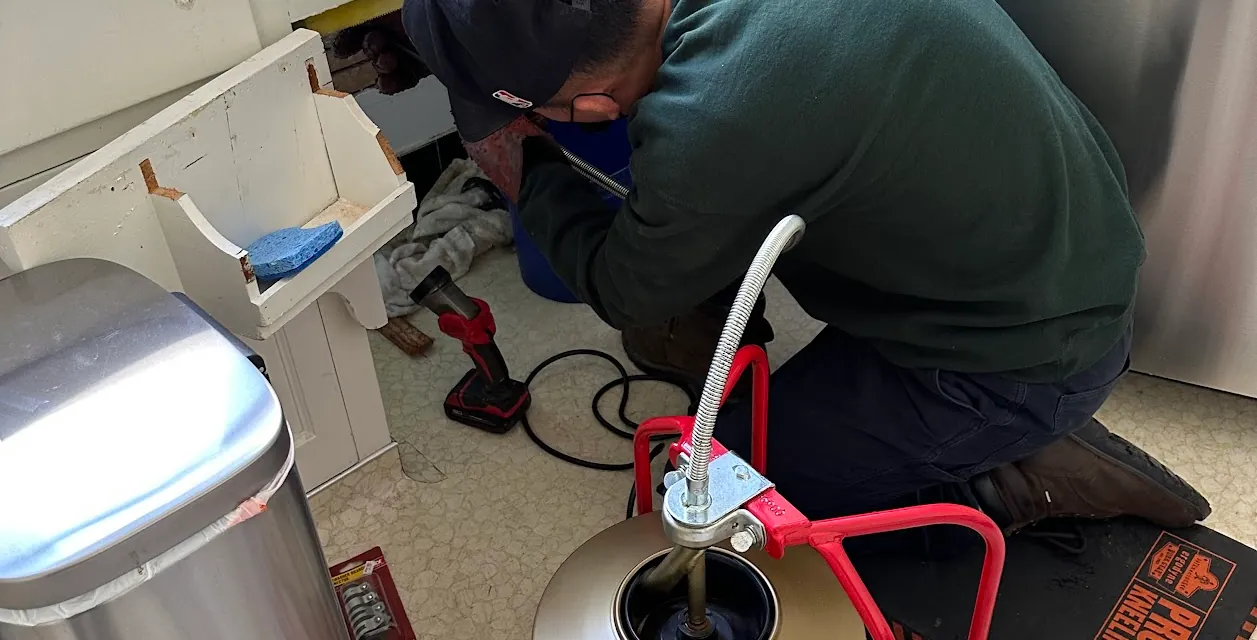
A motorized drain auger cuts through hair, grease, and small roots far deeper than a hand snake. For grease-heavy kitchen lines, hydro jetting blasts the pipe walls clean with high-pressure water, which also stops clogs from coming back.
And if the clog keeps returning, a sewer camera inspection shows exactly what’s happening underground - roots, cracks, or a sagging pipe - before anyone digs or cuts. Our drain cleaning team uses all three across San Francisco and San Mateo County.
When to Call a Plumber
Call a plumber when more than one drain backs up at once as that points to the main line, not a single pipe. Same goes for clogs that return within days, gurgling sounds from other fixtures, or any smell of sewage.
Those signs mean the problem sits deeper than a plunger can reach. Fast help matters here. Sewage backup is a health risk, not just a mess.
FAQ
Can I unclog a drain with a wire hanger?
A straightened hanger can poke through a shallow hair clog near the opening, but it can’t grip or pull debris out. A plastic drain snake with barbs does the job better and costs a couple of dollars.
Why does my drain clog again right after I clear it?
Recurring clogs usually mean buildup on the pipe walls or a problem deeper in the line like roots or a sagging pipe. A camera inspection finds the real cause so it stops coming back.
Is it safe to pour boiling water down the drain?
Very hot tap water is safe for metal pipes. Boiling water can soften PVC joints and damage some seals, so let the kettle sit for a minute before pouring.
How do plumbers unclog drains without chemicals?
Plumbers use mechanical tools: plungers, hand and motorized augers, and hydro jetting. These methods clear the full blockage and scrub the pipe walls without leaving harsh chemicals in your lines.
What does drain unclogging cost?
A simple clog costs little to clear. Deeper line work or camera inspections cost more, depending on the blockage. A plumber can give you an upfront price after a quick look.
Need help?
Learning how to unclog a drain comes down to three things: the right tool for the drain, steady pressure instead of harsh chemicals, and knowing when the problem lives deeper than your reach. Most simple clogs clear in minutes with a plunger or a plastic snake.
The ones that keep coming back need a professional look.
Need Help With a Stubborn Clog? Contact ASAP Plumbing Pros.
ASAP Plumbing Pros serves homeowners from San Francisco to San Mateo County, and we’re open 24/7. Our licensed and insured team clears tough clogs, cleans drains with professional augers and hydro jetting, and inspects your sewer line when needed. Request service online today and your drains will flow like new again.

Need plumbing service?
Request service online or call our team for installation, repair, and maintenance.
Ready when you are
Plumbing emergency? We're on the way.
Call (415) 728-6391 or request service online — 24/7, every day of the year.